





cta_image
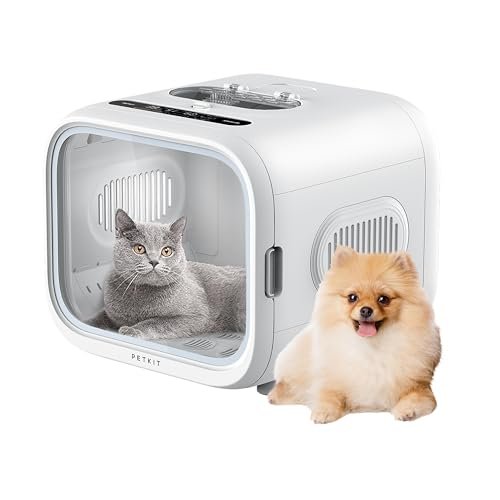
24% OFF
Automatic Pet Hair Drying Box

Next Day Delivery Available

Crate schedule for puppy

Introduction: Surviving the First Weeks with Your Puppy

Bringing a new puppy home is exciting… right up until the first night of crying, accidents on the rug, and zero sleep. That’s when most owners start Googling “what is a good crate schedule for puppy” at 3am, wondering if they’ve made a huge mistake.

This guide walks through a practical, real‑world crate routine you can start today, even if you work full‑time, live in a small space, or feel like you’re “winging it”. By the end, you’ll have a clear crate schedule for puppy life from morning to bedtime, plus simple adjustments for different ages and energy levels.


Why a Crate Schedule Matters More Than the Crate

A crate itself doesn’t magically fix toilet training or separation issues; it’s the structure around it that does the heavy lifting.

  • A predictable schedule helps your puppy relax because they start to trust that food, toilet breaks, and sleep happen regularly.
  • Consistent timing drastically reduces accidents, since you’re taking them out before their tiny bladder hits “emergency mode”.

When working with new owners, the ones who succeed fastest are rarely the ones with the fanciest crate; they’re the ones who treat the crate like a routine, not a punishment. A good crate schedule for puppy training becomes the backbone of your day rather than something you only think about when there’s chaos.


How Long Can Puppies Stay in a Crate?

Before building a timetable, you need realistic limits. Puppies simply can’t “hold it” like adult dogs.

  • Rough rule of thumb: months of age + 1 = maximum hours in a crate during the day (with a hard cap and plenty of breaks). So a 2‑month‑old puppy should not be crated longer than about 3 hours at a time in the day.
  • Night‑time is different. With a sensible evening routine and reduced water late in the evening, many puppies can manage slightly longer stretches at night than during the day.

In practice, that means your crate schedule for puppy life in the first few weeks will feel intense: lots of short bursts in the crate, lots of toilet trips, and plenty of naps. That’s normal. The goal is steady progress, not perfection.


Sample Crate Schedule for Puppy (8–12 Weeks)

Use this as a starting framework and tweak to your household. Think in blocks, not strict minute‑by‑minute rules.

Morning block

  • 6:00–6:30: Wake, straight outside for toilet, then a short play/sniff session. Praise for any toileting outside.
  • 6:30–7:00: Breakfast in a bowl or stuffed Kong in the crate with the door open so the crate feels positive.
  • 7:00–8:00: Supervised play, gentle training (sit, name, recall games) in a puppy‑safe area.
  • 8:00–9:00: Crate rest. Short fuss, chew toy, then settle. Aim for a proper nap.

Late morning / early afternoon

  • 9:00–9:15: Toilet break and a bit of play.
  • 9:15–11:00: Crate nap while you work, with one quick toilet break halfway if your pup is very young or restless.
  • 11:00–12:00: Lunchtime feed, training, play, plus another toilet trip right after eating.

Afternoon block

  • 12:00–13:00: Crate rest.
  • 13:00–14:00: Mental enrichment (snuffle mat, simple scent games) and supervised play.
  • 14:00–15:30: Crate nap.
  • 15:30–17:00: Toilet, walk appropriate for age, low‑key play.

Evening and bedtime

  • 17:00–18:00: Dinner, basic training, toilet.
  • 18:00–20:00: Family time with the puppy out of the crate but supervised; calm, not wild zoomies.
  • 20:00–21:00: Wind‑down crate time in the same room as you while you watch TV, then final toilet trip.
  • 21:00–22:00: Bedtime in the crate. Many owners keep the crate in the bedroom or hallway early on so they can hear if the puppy genuinely needs to go out.

A schedule like this looks intense on paper, but once you’ve run it for a week it becomes muscle memory. The key is repetition: same order, similar times, every day.


Personal Insights: What Actually Works in Real Homes

On paper, any crate schedule for puppy training looks neat. In real life, things get messy. There are a few patterns that consistently separate smooth experiences from chaotic ones.

  • Owners who treat the crate as a “parking spot” for the puppy when they’re busy usually see more crying and accidents. The crate works better as a planned rest tool wrapped around proper exercise and mental work.
  • One small adjustment, like always adding a 5‑minute calm cuddle before crating, can transform how quickly a puppy settles. Many pups aren’t actually “crate‑phobic”; they’re over‑stimulated.

A typical example: a family with a lively spaniel puppy kept wondering why he screamed every time he went in the crate. Looking at their pattern, they were crating him straight after a wild game of fetch. Once they swapped to sniff‑based games and a few minutes of quiet stroke time before crating, he was asleep in under two minutes most nights.

The takeaway: your crate schedule for puppy success is not just about clock times; it’s about the emotional state you create before each crate session.


Adjusting the Schedule as Your Puppy Grows

Your routine should change every few weeks as bladder control improves and your puppy’s brain matures.

  • By 3–4 months, many puppies can handle slightly longer daytime crate periods, especially after a walk or training session.
  • By 5–6 months, most pups can manage a solid night’s sleep with just one quick toilet break, or none at all, assuming healthy habits and no medical issues.

What usually changes in a well‑run crate schedule for puppy development is:

  • Fewer but longer naps in the crate.
  • More mental work (training, puzzles) rather than just physical play.
  • Increased “chill time” out of the crate without constantly getting into trouble.

A good sign that it’s time to tweak the schedule: your puppy routinely wakes early from naps and appears wired, or the opposite—seems over‑tired and bitey by evening. Both are signals to adjust the balance between activity and rest.


Common Mistakes That Sabotage Crate Training

Even a strong plan can be undone by a few habits that send mixed messages.

1. Using the crate as punishment
If the crate only appears when you’re annoyed, your puppy will associate it with conflict. The crate should be the place where good things happen: meals, chews, and calm sleep.

2. Skipping toilet breaks “just this once”
Every time a puppy is forced to soil the crate, you increase stress and blur the line between “toileting area” and “sleeping area”. Short‑term convenience can set you back weeks.

3. Expecting a human baby schedule
Puppies don’t follow 9–5. A crate schedule for puppy training is more intense at the beginning and then gradually relaxes. Frustration usually comes from expecting too much, too soon.

4. Too much or too little exercise
An under‑exercised puppy whines and fidgets; an over‑exercised puppy can become overtired and mouthy, which also makes crate time harder. Aim for a balance of age‑appropriate physical activity and brain work, not just endless ball throws.


Simple Tweaks for Different Lifestyles

Not every household is home all day, and not every puppy has the same energy levels. The good news: you can still use a crate schedule for puppy training even with a busy routine.

  • If you work long hours, consider a dog walker, neighbour, or pet sitter to provide one or two mid‑day toilet breaks and short play sessions. This keeps the schedule intact without over‑crating.
  • In flats or small homes, lean into mental enrichment (lick mats, puzzle feeders) around crate time rather than only relying on long walks.

For very sensitive puppies, keeping the crate within sight and sound of you for the first few weeks helps. Gradually move it towards its “forever spot” as confidence grows. Small, gentle shifts tend to work better than sudden changes.


Conclusion: Turn the Crate into Your Puppy’s Safe Place

A good crate schedule for puppy life is less about strict rules and more about building a rhythm your dog can rely on. When food, play, rest, and toilet breaks follow a predictable pattern, your puppy relaxes faster, accidents drop, and the crate becomes a safe, familiar den instead of a battleground.

If this guide helped, consider building out your own written schedule for the next 7 days and sticking it on the fridge. Share your puppy’s age, breed, and current routine on your site or social channels, then refine the schedule weekly as you see what works. Your future self (and your carpets) will thank you.


FAQs

1. Is it cruel to crate a puppy while at work?

Crating isn’t cruel when it’s used for short, appropriate periods with enough exercise, toilet breaks, and mental stimulation at other times. Problems arise when puppies are crated for longer than their age and bladder allow, or when crates replace human interaction.

2. Should I put water in the crate?

For most healthy puppies on a structured routine, water can be available outside crate sessions, with controlled access close to bedtime to reduce night‑time accidents. In very hot weather or on vet advice, you may need to adapt this.

3. What if my puppy cries in the crate?

Short, low‑level complaining is often just frustration and can improve as your puppy learns the routine. Persistent panic, heavy panting, or long bouts of distress suggest you should shorten sessions, improve pre‑crate exercise, and build up more gradually.

4. Can I crate two puppies together?

Most trainers recommend crating puppies separately so each dog can rest, learn independence, and avoid tension over space or resources. Crates can be side‑by‑side so they can still see and smell each other.

5. When can I stop using the crate?

Many owners start phasing out the crate between 9–18 months, once their dog is reliably house‑trained and relaxed when left alone for short periods. You can test this by giving short, supervised “out of crate” naps and gradually increasing freedom if your dog stays calm. 

Further reading for puppy training tips:

How to Calm a Restless Dog at Night: 7 Proven Steps for Better Sleep

How to Calm a Restless Dog at Night

Ideal Low Maintenance Dogs for first time Pet Owners

Want Your Own “Done For You” Pet Business But Not Sure How?
Pet Authority Website

How to Calm a Restless Dog at Night: 7 Proven Steps for Better Sleep

 It’s 11pm, you’re shattered, and your dog has other ideas. They’re pacing, whining, jumping on and off the bed, and you’re googling how to calm a restless dog at night for the tenth time this week. The good news is, this isn’t “just how they are” – with a few smart changes you can usually turn those chaotic nights into something much calmer.

This guide walks through why dogs get restless at night, the exact steps to calm them, and real-world examples you can copy tonight. By the end, you’ll have a clear plan you can follow over the next 7–14 days to help your dog – and you – finally sleep.


Why Your Dog Is Restless At Night (And Why It Matters)

Before you can calm a restless dog at night, you need to understand what’s actually driving the behaviour. Restlessness is a symptom, not a personality trait.

Common causes include:

  • Stress or anxiety (separation, noises, changes at home)
  • Under-stimulation or inconsistent routine
  • Needing the toilet or being uncomfortable
  • Pain, aging, or medical issues such as joint disease or cognitive changes in older dogs

From a behaviour point of view, night-time restlessness often becomes a learned pattern. If whining leads to you getting up, talking, or letting them onto the bed, your dog learns “being restless gets me what I want.” The aim is to address genuine needs (like pain or toileting) while gently breaking the habit loop.

Personal insight: In client homes, the turning point is usually when we stop treating the dog as “naughty at night” and start treating night-time as a skill you teach, just like “sit” or “stay.” That mindset shift alone helps owners stay consistent.


Step 1: Rule Out Medical Problems First

If your dog suddenly starts pacing or crying at night, especially if they’re older, pain or illness needs to be your first suspicion, not the last.

Red flags that need a vet check:

  • Sudden restlessness in a previously calm sleeper
  • Heavy panting, whining when touched, or difficulty lying down
  • Increased thirst, needing to pee more, or accidents at night
  • Confusion, getting “stuck” in corners, staring at walls (common in senior dogs with cognitive changes)

A vet can check for issues such as arthritis, urinary problems, gut discomfort, or anxiety linked to pain. No amount of routine or training will fully fix night-time issues if your dog is physically uncomfortable.

Personal example: One older Spaniel I worked with was waking his owners 3–4 times per night pacing and panting. After a vet visit, he was diagnosed with arthritis and started on pain relief. Once he was comfortable, we layered in a new routine and he went from four wake-ups to one, then eventually slept through.


Step 2: Build a Simple, Repeatable Bedtime Routine

Dogs don’t read clocks, they read patterns. A predictable sequence every evening tells your dog “we’re winding down now,” which is key when you want to calm a restless dog at night.

Here’s a sample routine you can adapt:

  • 6:00pm – Physical exercise: Walk, play fetch, or structured sniffing games depending on age and health.
  • 7:00pm – Dinner: Same place, same bowl, no constant grazing.
  • 8:00pm – Calm bonding: Gentle training, chewing a long-lasting chew, or chilling near you.
  • 9:00pm – Final toilet break: Quiet, boring, no exciting games.
  • 9:30–10:00pm – Wind-down: Lights lower, voices softer, one last cuddle, then bed.

The routine doesn’t have to be fancy; it just has to be consistent. Over a week or two, most dogs start anticipating sleep because all the cues line up the same way.

Personal insight: What derails progress most often is “just this once.” If you sometimes let your dog zoom around the garden at 10:30pm or start a big play session, you’re sending mixed messages. Aim for two calm hours before bedtime as your “quiet zone.”


Step 3: Create a Sleep Space Your Dog Actually Wants to Use

Where your dog sleeps matters more than many people realise. A comfortable, predictable sleep space tells your dog, “this is where good things happen and where you settle.”

Consider these factors:

  • Location: Many anxious dogs settle faster if they can sleep in the same room as you or at least nearby.
  • Type of bed:
    • Donut-style or nest beds for dogs that like to curl up.
    • Orthopedic or memory-foam beds for seniors or big breeds who need joint support.
    • Crates with covers for dogs that prefer den-like security.
  • Environment: Keep the area at a comfortable temperature, dim the lights, and minimise sudden noise where possible.

A smart trick is to make this spot the centre of many good things during the day: chews, calm petting, and short naps. Over time, the bed itself becomes a cue for relaxation.

Example: With one nervous rescue, we stopped moving her bed around the house “to keep her close” and instead chose one consistent spot in the bedroom. Every evening she got a stuffed lick mat only on that bed. Within a week, she was trotting to the bed by herself because it had such a strong, positive association.


Step 4: Use Calming Tools The Right Way (Toys, Music, Treats & Touch)

The original article talks about unwinding together, comforters, classical music, and massage – all useful ideas, but they work best when used with intention, not randomly.

Comfort objects & toys

Reserve one special toy or soft blanket only for bedtime.

  • Soft toy with your scent on it for anxious dogs.
  • A soft blanket they knead and nest in.

This “exclusive access” helps your dog learn: this particular object = time to relax, not time to play tug-of-war.

Sound and background noise

Research has shown that classical music can have a calming effect on dogs compared with other genres.

  • Try low-volume classical, gentle piano, or a white noise machine if your area is noisy.
  • Keep volume low enough that it’s in the background, not the main event.

Treats and chews (in moderation)

Treats are powerful, but they need rules. The goal is to make the bed a rewarding place, not to hype your dog up.

  • Reward your dog on the bed when they choose to settle there.
  • Use long-lasting, safe chews or a stuffed toy to encourage licking and chewing, which many dogs find soothing.
  • Watch calories and avoid rich treats late at night if your dog has a sensitive stomach.

Calming touch and massage

Gentle massage and slow, predictable strokes down the body can reduce tension and help anxious dogs relax before bed.

  • Focus on areas your dog already enjoys being touched – chest, shoulders, or along the sides of the body.
  • Avoid pushing hard on bones or sore joints.
  • If your dog shifts away or looks uncomfortable, give them space rather than forcing contact.

Personal insight: Many owners unintentionally overdo it here. If your dog is hyped up, constantly changing position, or climbing all over you, start with 1–2 minutes of calm touch, then stop. You’re aiming for “suddenly exhaling and relaxing,” not a 20-minute wrestling match.


Step 5: Match Daytime Exercise and Enrichment To Your Dog

A dog that hasn’t had enough mental and physical stimulation will struggle to switch off at night – but so will a dog that has been over-aroused with wild play right before bed. The sweet spot is regular, age-appropriate activity throughout the day.

Think in three layers:

  1. Physical exercise: Walks, play, off-lead time where safe.
  2. Mental work: Training sessions (even 5 minutes), scent games, puzzle toys.
  3. Calm chewing / licking: Long-lasting chews or food-dispensing toys during the evening wind-down.

For example:

  • Young herding breed: two good walks plus training games and a sniffy walk where they can explore with their nose.
  • Senior dog: several shorter walks, gentle play indoors, and simple scent games like scattering a handful of kibble on a mat.

Personal example: With a high-energy mixed breed I worked with, simply shifting his big game of fetch from 9pm to 5pm made a huge difference. We kept late evenings for slow sniff walks and brain games. Within a week, his pacing reduced by half.


Step 6: Teach “Settle” As A Skill, Not A Wish

Many owners hope their dogs will “grow out of it,” but calm behaviour at night is something you can actively teach – just like any other cue. This is especially useful if you’re trying to calm a restless dog at night who has gotten used to using whining as a way to get attention.

Here’s a simple training plan you can start today:

  1. Choose the spot: Bed or mat in the room where your dog will sleep.
  2. Reward calm: Any time your dog lies on the bed during the day, quietly place a treat between their paws. No big fuss.
  3. Add a cue: After a few days, say “bed” or “settle” as they move onto the spot, then reward.
  4. Extend duration: Once they’re going to the bed on cue, wait 5–10 seconds of calm before rewarding. Gradually increase the time.
  5. Bring into your night routine: Use the cue once, guide them if needed, then calm reward when they settle.

If your dog gets up and paces at night, avoid turning it into a game of musical beds. If you’re sure they don’t need the toilet or pain relief, guide them back once or twice, then give very low-key attention when they choose to stay there calmly.

Personal insight: Owners often talk too much here. Think less commentary, more quiet, consistent rewards for the behaviour you want.


Step 7: Common Mistakes That Keep Dogs Restless At Night

Even well-meaning owners accidentally reinforce restlessness. Watching for these patterns speeds up your progress.

Big pitfalls include:

  • Rough play right before bed: Wrestling, fetch, or chase games at 9:45pm tell your dog it’s party time, not sleep time.
  • Inconsistent rules: Some nights the dog is allowed on the bed, other nights they’re sent away.
  • Accidental rewards: Getting up and chatting, feeding, or letting the dog into the garden for “fun” every time they whine.
  • Punishing anxious behaviour: Shouting or scolding a dog that’s already worried makes night-time feel even less safe.

A better approach is to:

  • Keep the last hour before bed calm and predictable.
  • Reserve attention, treats, and praise for moments your dog is calm on their bed.
  • Quietly meet genuine needs (toilet, discomfort) without turning it into play or a full conversation.

Conclusion: Small Changes, Big Difference To Your Nights

If you’re living with a restless dog at night, it can feel like you’ll never sleep properly again. But once you address pain or medical issues, set a clear routine, create a sleep-friendly environment, and teach “settle” as a skill, most dogs make meaningful progress in a matter of weeks.

Start with one or two changes from today’s guide – for example, a consistent bedtime routine and a dedicated sleep space – and build from there. Your dog doesn’t need perfection; they need consistency and clear, calm signals about what happens at night.

If this helped you, share it with another tired dog parent, and if your dog’s behaviour feels worrying or extreme, pair these tips with a chat with your vet or a qualified behaviour professional so you’re not doing it alone.


FAQs About Restless Dogs At Night

1. How long does it take to calm a restless dog at night?
For many healthy dogs, you start seeing small improvements within 7–14 days once you introduce a consistent routine, better sleep space, and training for calm behaviour. If medical issues or deep-seated anxiety are involved, it can take longer and may need professional help.

2. Should I let my dog sleep in my bed?
It depends on your dog and your boundaries. Some anxious dogs do settle better when close to you, but if bed-sharing leads to constant moving, growling, or poor sleep, it’s fine – and often healthier – to create a separate bed in your room instead.

3. Is it OK to ignore my dog when they whine at night?
Ignoring can backfire if your dog is in pain, needs the toilet, or is genuinely distressed. First make sure medical needs are covered and they’ve had a final bathroom break. Then, keep interactions low-key and reward calm on the bed so whining stops “working” for attention.

4. Can calming treats really help?
Calming treats and chews can be a useful add-on, especially if they encourage slow licking or chewing, which many dogs find soothing. They work best when combined with routine, training, and a good sleep environment – not as the only solution.

5. When should I involve a behaviourist for night-time restlessness?
If your dog’s restlessness is intense, has been going on for months, or is linked to separation anxiety or serious fear (like panicking when you leave the room), a qualified behaviourist can design a tailored plan. This is especially important if you’ve tried basic changes and seen little or no improvement.